
Ski By Train shares practical, down-to-earth guidance on ski holidays by rail from the uk for readers across the UK.
- 0123456789
- Angle Bd Abdelmoumen & rue soumaya, Résidence
- [email protected]
Ski By Train shares practical, down-to-earth guidance on ski holidays by rail from the uk for readers across the UK.
 By Oliver Pemberton
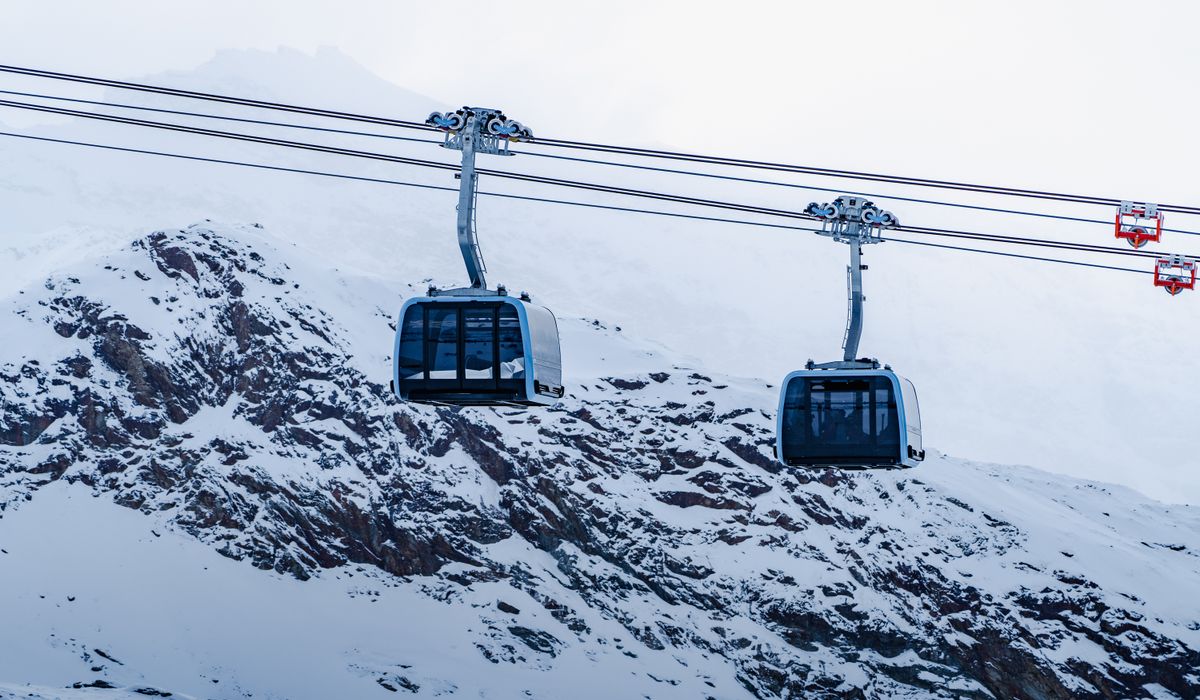
Flying to the Alps looks cheap until you add everything up. The ski bag fee, the boot bag fee, the transfer bus that costs more than the flight, the airport hotel because your departure is at some ungodly hour. Rail folds most of that into one fare. Your skis and boots travel as ordinary luggage on almost every European service, you step off in the valley rather than two hours' drive from it, and on an overnight train your berth doubles as a night's accommodation.
None of that happens automatically, though. A badly planned rail trip can cost more than a bargain flight. Planned well, it is comfortably cheaper — and considerably more pleasant. Here is how to tip the sums in your favour.
This is the single biggest lever you have. Friday and Saturday departures carry the heaviest demand, and the fares know it. Shift your outward journey to a Tuesday or Wednesday and your return to a Monday or midweek day, and you will often see fares fall by a fifth or more. On some routes a midweek return is dramatically cheaper than the same trip on peak days.
There is a second benefit: resorts are quieter. Lift queues on a Tuesday morning in January are a different world from a Saturday in February. You will also find midweek apartment changeover days opening up accommodation that is block-booked at weekends.
Overnight trains to the Alps have a fixed number of beds, and they sell out months ahead. Berths are released when the timetable opens — typically three to six months before travel — and the cheapest tiers vanish first. If you leave it until a few weeks before departure you will either pay a premium or travel sitting up.
Know your options. A shared couchette berth in a six-person compartment is the budget choice; a reclining seat is cheaper still if you can sleep through anything. A private sleeper cabin costs more but suits families and gives you a door that locks. Booking a whole couchette compartment between four friends is often better value than four separate berths elsewhere.
Two habits pay off. First, set a reminder for the day your route's bookings open. Second, book outward and return in the same session — one leg selling out can force an expensive alternative on the other.
Half-board in a hotel is lovely and rarely cheap. A self-catering apartment for a group splits the rent several ways and cuts the food bill dramatically. Breakfast at home, a packed lunch in a rucksack, and one or two meals out a week is the classic budget formula, and it works.
But here is the part people miss: location matters more than rent. An apartment 15 minutes' walk from the lifts may look like a bargain until you add bus passes for four people for six days, or daily taxi runs. Being able to walk to the main lift in boots, ski over your shoulder, is worth a surprising amount — in both money and goodwill on a cold morning.
Once the travel, bed and roof are sorted, the remaining savings are small but real. Buy lift passes online before you travel — many resorts discount advance purchase, and family or group rates are rarely advertised at the ticket window. Hire skis from a shop a street or two back from the main station rather than the one at the lift base; the kit is the same and the queue is shorter.
Do a proper supermarket shop on arrival, ideally in the valley town before you go up the mountain, where prices are lower. Fill a flask each morning. Take a refillable water bottle. Ski resorts charge handsomely for things you can carry in a rucksack for nothing.
A workable week looks like this: midweek overnight train out, couchette berths booked the day they opened, a self-catered apartment within a short walk of the main gondola, lift passes bought online in advance, and a supermarket run on the way up. It is not the trip with the most restaurant meals or the fanciest hire skis, but it is a genuine ski holiday — and it will leave your budget intact.
Start planning early, be flexible about the days you travel, and treat the journey itself as part of the holiday. Watching the Alps slide past the window with a coffee in hand is one of the better arguments for leaving the airport behind.


We are not gonna make spamming
