
Ski By Train shares practical, down-to-earth guidance on ski holidays by rail from the uk for readers across the UK.
- 0123456789
- Angle Bd Abdelmoumen & rue soumaya, Résidence
- [email protected]
Ski By Train shares practical, down-to-earth guidance on ski holidays by rail from the uk for readers across the UK.
 By Sophie Ashworth
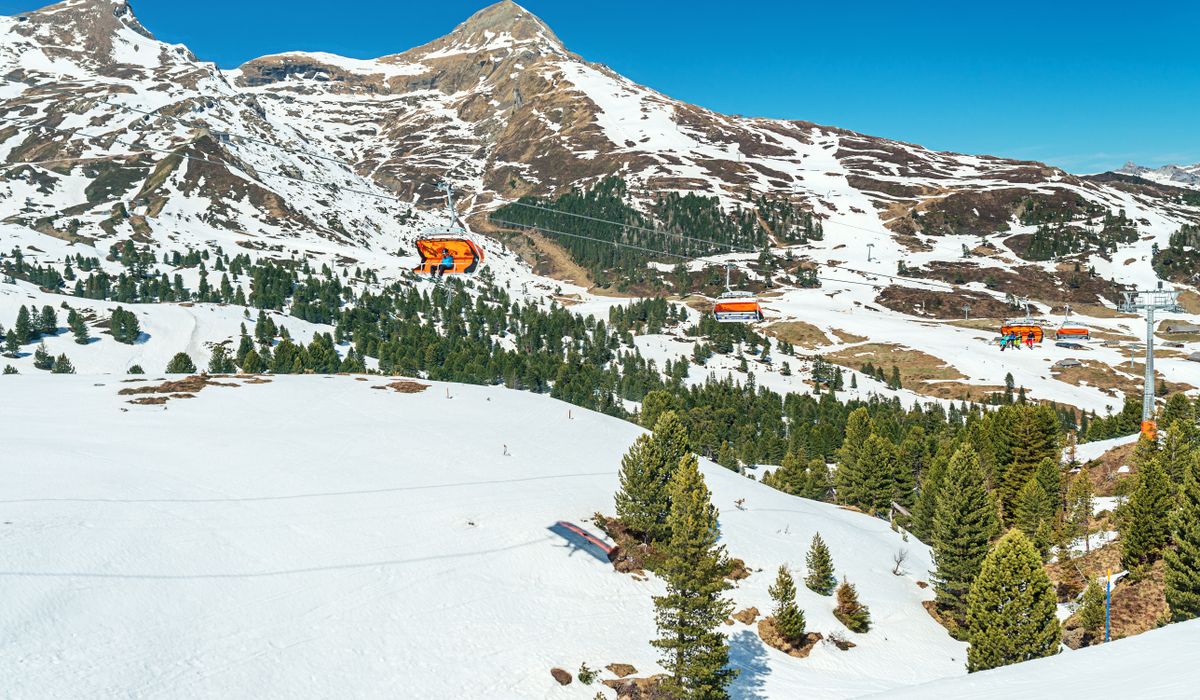
A ski holiday by rail works beautifully, but it rewards a slightly different order of planning from a fly-drive trip. Instead of choosing a resort and worrying about the transfer later, begin with the railway map. Find a resort whose station sits close enough to the lifts that the last mile is a bus ride or a short walk, and everything else tends to fall into place. Almost every Alpine valley has a railhead; the trick is knowing which one serves your mountain.
These stations do the heavy lifting for British skiers:
Check the shuttle timetable before you commit. On changeover Saturdays most resorts run frequent buses from the station to the main lift base, but on a quiet Tuesday in January you may find two services a day, or none at all. If the shuttle is thin, a local taxi split four ways is still good value — and infinitely easier than wrestling a ski bag onto a village bus.
You can often book the entire journey as a single through ticket, and it is worth asking for it. If one ticket covers everything, the railway has to look after you when a delay makes you miss a connection: they will put you on the next available service at no extra cost. If you stitch the trip together yourself from separate tickets for each leg, a missed connection is your problem and your expense. The savings are sometimes real, particularly if you are using regional trains for the final stretch, but they need to be weighed against the risk and the stress.
Book as early as you can. Seats on direct ski services and sleeper berths sell out months in advance, and the cheapest fares are long gone by December. Midweek departures are noticeably quieter and cheaper than the Saturday rush.
The cross-Channel service arrives at a different Paris station from the one where the high-speed Alpine trains depart, so allow at least an hour for the transfer on the metro — ninety minutes if you have ski bags and children in tow. Add more if you are arriving into a different terminal than expected. A taxi across the city is quicker but rarely cheap at peak times.
One tip worth hunting for: some services call at Lille rather than Paris, where the change can be a simple matter of walking along the same platform. If your route offers it, take it.
A long rail day is a small expedition in itself, and your kit choices matter as much as your route.
The journey home is where most rail ski trips come unstuck. Check the first shuttle of the day from your resort, then work backwards through the connection to your train. Snow can slow road transfers badly, so build in a buffer of at least an hour, ideally two, rather than cutting it fine.
Find out whether your station has left luggage — many small Alpine stations do not, and there is nothing worse than an afternoon with four bags and no skiing. If the timings look tight, an overnight in a city at either end of the trip turns a scramble into part of the holiday.
Rail is not automatically the cheap option, but it is very often the better one. Compare like for like: air fares plus ski carriage plus airport transfers plus an extra night in a resort hotel because your flight lands late. Once those are added in, a family of four travelling by train and booking early frequently comes out ahead — and arrives relaxed, with the mountains sliding past the window instead of a baggage carousel.


We are not gonna make spamming
