
Ski By Train shares practical, down-to-earth guidance on ski holidays by rail from the uk for readers across the UK.
- 0123456789
- Angle Bd Abdelmoumen & rue soumaya, Résidence
- [email protected]
Ski By Train shares practical, down-to-earth guidance on ski holidays by rail from the uk for readers across the UK.
 By James Whitcombe
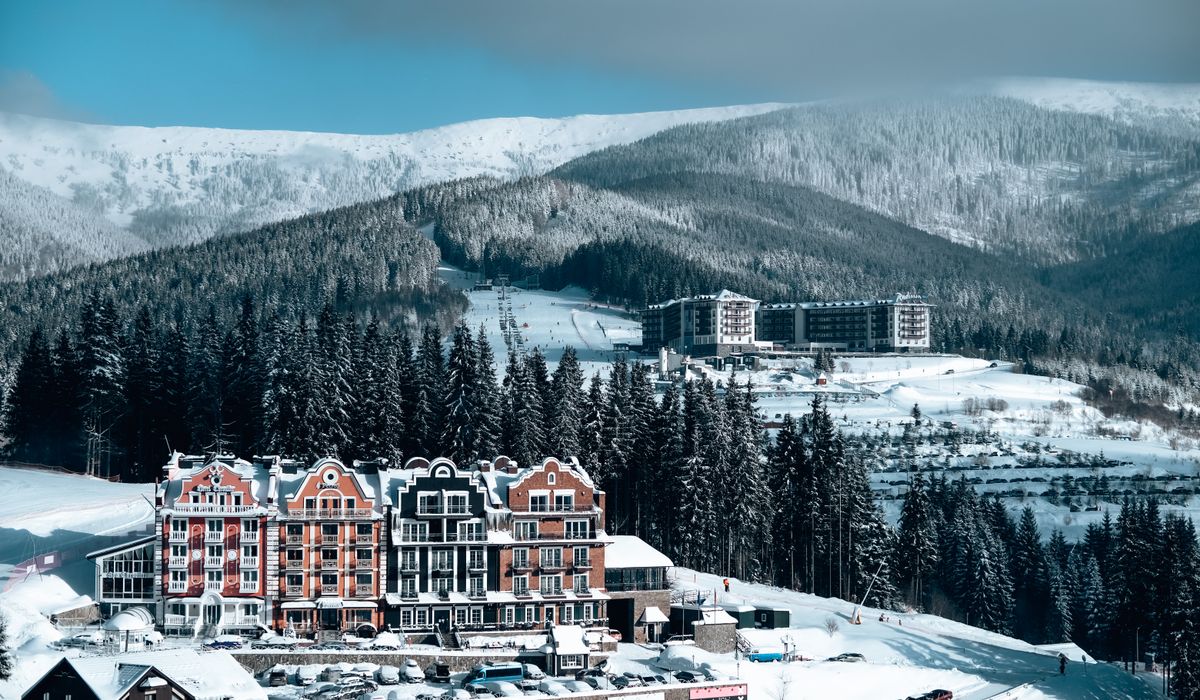
The biggest names in skiing come with a price that has nothing to do with lift passes. Queues at the gondola, a scramble for a table at lunch, and the constant hum of a resort that never quite switches off. For a growing number of British skiers, that is precisely what they are trying to escape. Smaller villages — often a single valley away from the famous stations — offer empty pistes midweek, lift operators who remember your face, and a pace that leaves room to actually enjoy the mountains.
They also happen to be some of the easiest places to reach by train. Many quiet resorts grew up around a railway long before they grew up around skiing, and their station still sits a short walk from the lifts. Add in a car-free centre, a handful of family-run hotels and a bakery that sells out by ten, and you have the ingredients of a genuinely restful week.
The journey is more straightforward than most people assume, but it does reward a little planning. The classic routing runs from London to Paris or Brussels by high-speed train, then onwards by daytime service or overnight sleeper towards the Alps.
The last stretch is usually the part people worry about. In practice, regional trains and village buses connect neatly with arrivals, and many resorts run a ski bus that is free with a lift pass. Check the last departure of the day before you commit to an evening train.
Austria is the master of this. A string of market towns along the main Salzburg–Innsbruck line double as ski resorts, and stepping off the train a few hundred metres from a lift is a genuine pleasure.
In each case the pattern is the same: a real community that happens to have skiing, rather than a purpose-built machine for it. That means sensible prices for coffee, a butcher and a hardware shop, and locals who are pleased rather than exhausted to see you.
Switzerland takes the idea further. Several villages are entirely closed to private cars, with luggage carried from the station by electric taxi or hotel porters. If your idea of a holiday includes not hearing an engine for a week, this is where to look.
Swiss travel is not cheap, but the mountain railways and village buses are frequent, punctual and included in many lift pass arrangements, which softens the blow considerably.
Quiet resorts tend to come with quieter terrain. You will rarely find 400 kilometres of linked pistes; you will find 30 to 80 kilometres of well-groomed runs that suit intermediate skiers beautifully and never feel contested.
A few habits make the most of it. Ski the first two hours and the last two, and treat the middle of the day as lunch. Book lessons in a small group — in a village school you may find yourself one of four rather than one of twelve. And aim for mid-January or mid-March, avoiding both the February half-term and the Easter rush, when even the smallest village briefly fills.
Non-skiers fare well too. These are places with winter walking trails, toboggan runs, thermal baths and a genuine town centre, so the group does not have to split along the same old lines every morning.
Rail skiing is often cheaper than people expect and occasionally cheaper than flying, especially once airport transfers, parking and baggage fees are counted. Book international legs early, stay seven nights rather than five to spread the travel cost, and ask your hotel about a station pick-up — many still offer it, particularly in the smaller villages where the owner does the driving.
Pack a small rucksack for the journey with water, a change of socks and something to eat. Delays happen, and a warm, dry pair of socks has rescued more Alpine arrivals than any timetable. Above all, resist the urge to add a second resort. The whole point of choosing somewhere quiet is that you finally have time to settle in.


We are not gonna make spamming
