
Ski By Train shares practical, down-to-earth guidance on ski holidays by rail from the uk for readers across the UK.
- 0123456789
- Angle Bd Abdelmoumen & rue soumaya, Résidence
- [email protected]
Ski By Train shares practical, down-to-earth guidance on ski holidays by rail from the uk for readers across the UK.
 By James Whitcombe
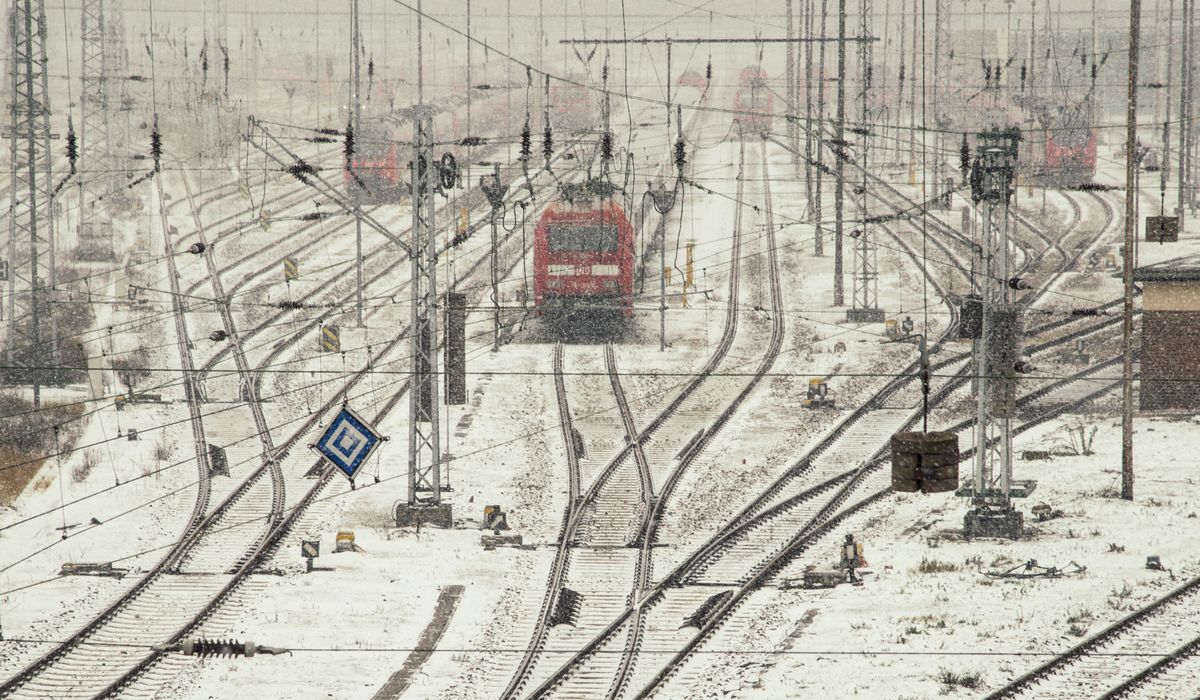
Taking the train to the slopes is one of the most civilised ways to start a ski holiday. You avoid airport queues, baggage carousels, and the white-knuckle drive up icy mountain roads. But rail travel also means you are committed to a specific resort and a specific arrival date. If the snow is thin or the avalanche risk is high, you cannot easily change your plans at the last minute. That is why a little homework before you leave pays dividends. Understanding snow depth, avalanche forecasts, and recent weather patterns helps you choose the right resort, pack the right layers, and travel with confidence.
Snow reports can be overwhelming, but a few key numbers tell the real story. Upper slope depth is the total snowpack at the top of the resort, while lower slope depth reveals whether you can ski back to the village. A resort with two metres up high but only twenty centimetres at the base is fine for confident skiers who stick to higher runs, but beginners and those hoping for a gentle cruise home will struggle. Look for recent snowfall in the last 24, 48, and 72 hours. A metre of snow a week ago is less useful than thirty centimetres overnight. Also check the base altitude of the resort. High-altitude villages such as Val Thorens or Tignes, both reachable by rail and a short transfer, hold snow better than lower resorts. For rail travellers, a high, snow-sure base reduces the risk of a disappointing week.
Even if you never leave the marked pistes, avalanche forecasts are your friend. They tell you how stable the snowpack is, which affects everything from off-piste adventures to whether a resort can open its higher lifts. Most alpine regions publish a daily avalanche risk rating from 1 (low) to 5 (very high). A rating of 3 or above means careful route choice and possibly guided travel. Read the bulletin for the aspect and altitude of the risk. North-facing slopes may be dangerous while south-facing ones are safe. Wind can load snow onto lee slopes, creating slabs that are easy to trigger. Check the forecast for the day you arrive and for each day of your trip, as conditions change quickly. If you plan any off-piste, consider hiring a local guide who knows the terrain and the current dangers.
Snow depth alone does not tell the full picture. Think about the last week or two. A big dump followed by calm, cold days creates powder heaven, but it also leaves a weak layer that can persist for weeks. A warm spell followed by a refreeze creates a crust that may break under your weight, making off-piste treacherous. Wind is the great sculptor of snow, building wind slabs and stripping ridges bare. Meanwhile, the upcoming forecast matters for your journey. Heavy snow on your travel day can delay trains and transfers, so aim to arrive before or after a storm. The ideal scenario is a fresh fall a day or two after you settle in. Check the forecast for the resort and for your rail route, as deep snow can affect mountain passes and connections.
Rail travel limits your luggage, so pack smart. The key is a three-layer system: a moisture-wicking base layer, an insulating mid layer, and a waterproof and windproof shell. For cold, dry conditions, add a down or synthetic jacket. For mild, wet days, a lighter mid layer and a good shell are enough. Take two pairs of gloves (one warm, one thinner), a balaclava or neck warmer, and goggles with spare lenses for flat light. Sunscreen and lip balm are essential at altitude, even when it is cloudy. If you are travelling by train, wear your bulkiest items to save space. Ski boots can go in the luggage rack, but check your operator's policy. A small daypack for the journey holds essentials like a water bottle, snacks, and a change of socks.
Finally, match the snow report to your rail itinerary. Resorts directly served by mainline stations, such as Bourg-Saint-Maurice for Les Arcs and La Plagne, or Moutiers for the Three Valleys, offer easy access without a long bus transfer. But not all of them are equally snow-sure. Check the altitude of the resort and the orientation of the slopes. North-facing resorts keep their snow longer. If the forecast is for a dry spell, favour a resort with a glacier or extensive snowmaking. If a big storm is coming, choose a resort with tree-lined runs for better visibility. By combining snow depth, avalanche risk, recent weather, and your rail route, you can pick a resort that gives you the best chance of a brilliant week on the snow.


We are not gonna make spamming
