
Ski By Train shares practical, down-to-earth guidance on ski holidays by rail from the uk for readers across the UK.
- 0123456789
- Angle Bd Abdelmoumen & rue soumaya, Résidence
- [email protected]
Ski By Train shares practical, down-to-earth guidance on ski holidays by rail from the uk for readers across the UK.
 By James Whitcombe
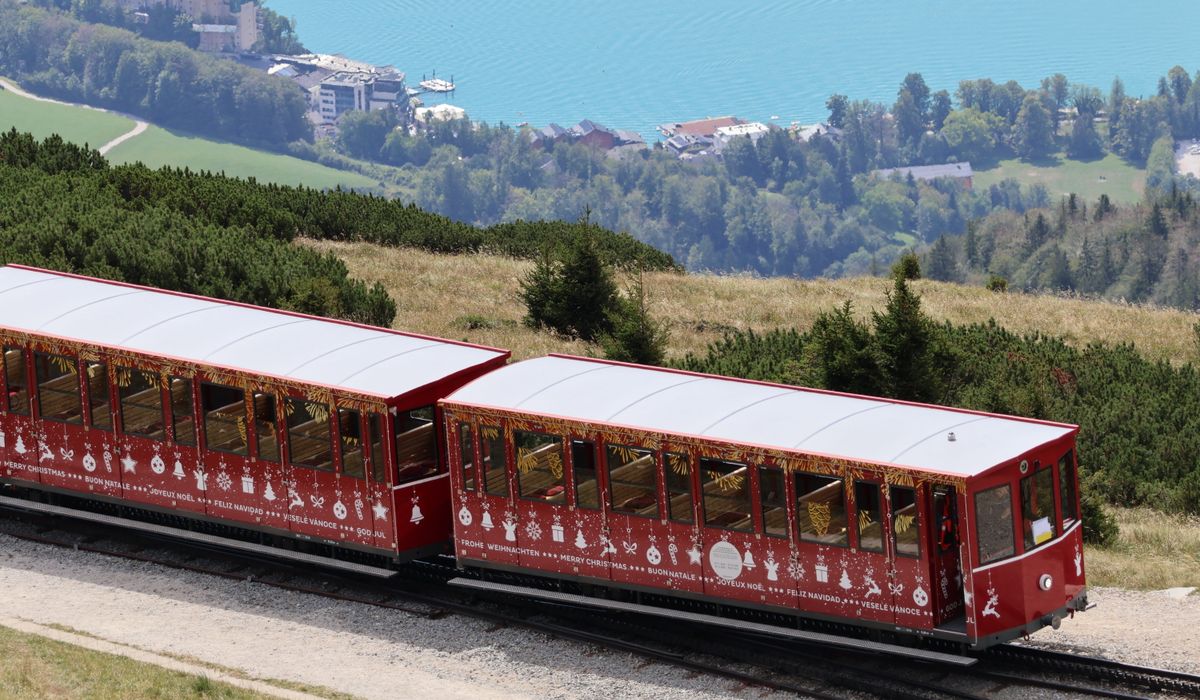
Most British skiers plan a trip the same way round: choose a resort, find a bed, then work out how to get from the arrival station to the accommodation. Reverse that order. If you pick somewhere within a short walk of the platform, you delete the single biggest hidden cost of a rail-based ski holiday — the transfer. No taxi, no shared minibus, no hire car, no standing about in a cold car park at dusk with a boot full of gear. You step off the train, trundle your bag a few hundred metres, and you are home for the week.
That saving is not trivial. Alpine transfers commonly run to £60–£120 per person each way, and they multiply painfully for families. Spend that money on lift passes, ski hire or a better dinner instead — or simply bank it. Staying near the railway also gives you freedom: a day in the next valley, an afternoon in a bigger town, or an early escape if the weather turns.
Alpine village centres are compact, but do not assume a station is central. Two checks will save you a wasted hour with luggage.
Budget Alpine beds near stations cluster into a few recognisable types, and each suits a different sort of trip.
Some Alpine towns were built around their railways, which is why they work so well for car-free ski trips. In France, the valley stations serving the big high-altitude resorts — places like Bourg-Saint-Maurice, Moûtiers and Briançon — put you in a real town with shops, markets and cheap beds, plus a short funicular, gondola or bus ride up to the snow. Austria does this beautifully: ski towns on the main line often have lifts reachable on foot or by a village bus that costs nothing. Swiss and Italian valley towns follow the same pattern, with the bonus of frequent services and heated waiting rooms.
The trade-off is honest: staying in the valley rather than at 1,800 metres may mean a gondola ride each morning. In exchange you get cheaper accommodation, better food shops, and a proper town to wander on a whiteout day.
Affordable beds near stations are not last-minute bargains — they are the first things to sell. Aim to book by late autumn for February half-term and Easter, and be flexible on arrival day. Saturday-to-Saturday dominates British thinking, but midweek arrivals often unlock cheaper rooms and quieter trains. If you are travelling as a group of four or six, ask directly about filling a family room or a small apartment; hosts would rather sell one unit than leave a room empty. Half-board is usually the best value when the nearest supermarket is a bus ride away, while self-catering wins in towns with a decent market.
Pack for the walk, not for the car. A wheeled duffel beats a rigid suitcase on snow, and a small rucksack for boots and helmet keeps your hands free. Bring a compact lock for the station left-luggage locker if you plan a day trip. Check whether your lift pass includes the local ski bus, and note the last train time if you are returning from a neighbouring valley. Finally, keep one dry layer in your day bag — arriving at your guesthouse warm and dry makes a nineteen-hour journey feel like a holiday from the moment you step onto the platform.


We are not gonna make spamming
