
Ski By Train shares practical, down-to-earth guidance on ski holidays by rail from the uk for readers across the UK.
- 0123456789
- Angle Bd Abdelmoumen & rue soumaya, Résidence
- [email protected]
Ski By Train shares practical, down-to-earth guidance on ski holidays by rail from the uk for readers across the UK.
 By Eleanor Hartley
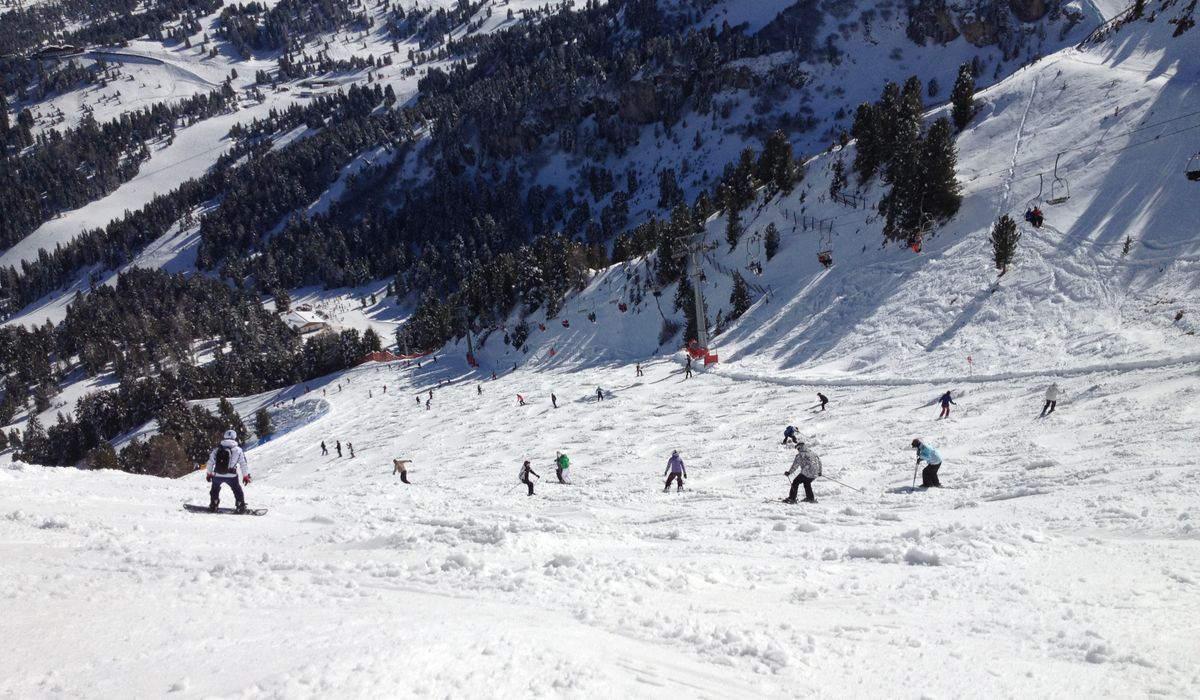
There is something quietly civilised about watching the suburbs of London give way to vineyards, then to frosted pine forests, all without touching a steering wheel. For UK skiers, rail has moved from novelty to genuinely sensible option. You avoid airport queues, snow-chain dramas and the particular misery of collecting a hire car at midnight in a blizzard. On most Alpine routes you arrive in the resort centre, boots on, lift pass in hand, with your luggage already beside you.
Better still, the journey itself becomes part of the holiday. Several of Europe's finest mountain lines cross ski country directly, and a few of them are attractions in their own right. Here is how to plan a winter trip by rail, and which routes deserve a place on your shortlist.
The classic approach is a morning departure from London St Pancras, arriving in Paris before lunch, then an afternoon high-speed train towards the Alps. From Paris, the main arteries run to Lyon, Grenoble, Chambéry, Bellegarde and onward into Switzerland and Italy. Add a change at Basel, Zurich or Geneva and you can reach most major resorts the same evening.
The alternative is the overnight option: an evening crossing of the Channel, a connection in Paris or Brussels, then a sleeper service that deposits you in the Alps shortly after breakfast. This suits anyone who would rather spend a day on snow than in transit, and it saves a hotel night at either end.
Allow a comfortable connection of at least an hour in Paris, more if you are travelling with ski bags and changing stations. If your itinerary involves three or more trains, book it as a single journey where possible so that a missed connection becomes the operator's problem rather than yours.
These are the routes that combine real practicality with genuinely spectacular scenery.
Ski luggage is the one thing that catches people out. Most trains have generous vestibule space for ski bags, but reservations are compulsory on many high-speed and international services, and a reservation is what guarantees you a seat rather than a spot perched on a folding chair.
Mid-January to mid-March offers the best combination of snow cover and daylight. Late December is atmospheric but busy, and late March can be glorious on high, north-facing slopes while lower villages turn slushy.
On tickets, a straightforward return booked in advance is usually cheapest for a single destination. A flexible rail pass starts to make sense if you plan to hop between resorts or combine skiing with a few city days. Regional passes sold in resort areas can also cover the mountain railways, so ask before buying point-to-point fares.
Finally, build in a buffer. Alpine weather can close a pass or delay a connection, and the relaxed traveller who has allowed an extra hour is the one who enjoys a coffee on the platform instead of sprinting down it. Travel by rail, and the holiday begins the moment you sit down.


We are not gonna make spamming
